
DevOps continuous delivery is often described as the engine driving faster software releases, but it can sometimes feel like an overwhelming concept full of new terms and shifting processes. If you’ve ever felt confused about how to bring code changes from development to production without long release cycles, you’re not alone. Fortunately, continuous delivery is all about creating a smooth pipeline that connects all the dots in your software delivery process, so you and your team can get high-quality features out the door quickly. devops course fees,best devops certification
Below, you’ll learn the fundamentals of devops continuous delivery, streamline testing and collaboration, and why establishing the right culture can help maintain a stable product.For the best devops certification , an affordable devops course fees can be considered.
Understand devops continuous delivery
For streamlining the path from code commit to production, continuous delivery is the right approach . Instead of working on large, multi-week (or even multi-month) development cycles, you break down your work into smaller chunks and push incremental updates.Integration of code, automated builds and tests confirm the readiness to production .
Set up a robust pipeline
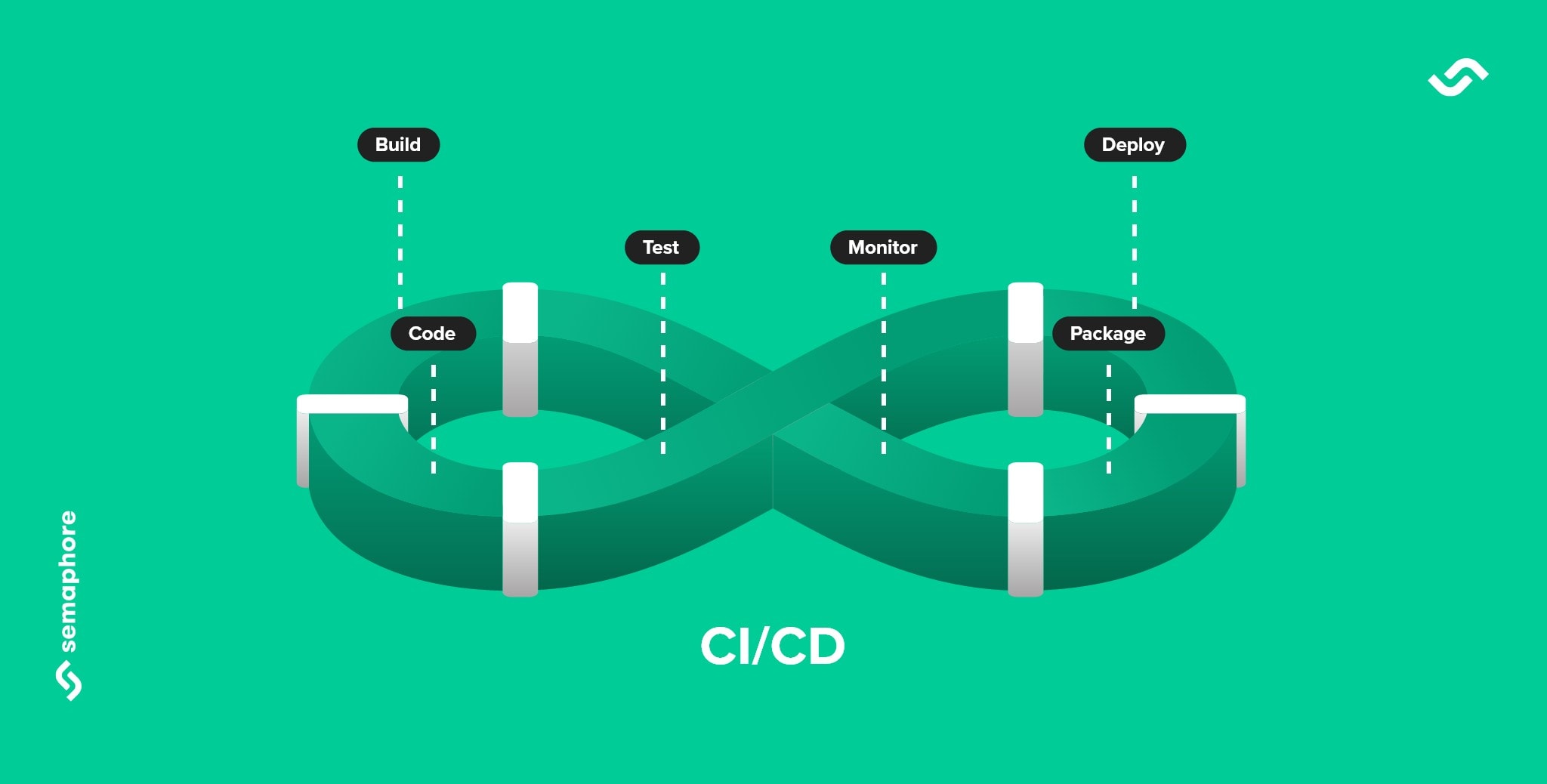
For a software journey , a continuous delivery pipeline considers each phase. Be it coding to deployment . It is as devised as a well-organized assembly line, where each stage is highly automated and monitored carefully.
Following a structured pipeline ensures each step feeds seamlessly into the next. As according to teaml’s unique workflow you can still tailor the details, but the key is establishing consistency so every change follows the same reliable journey.
Automate your testing strategy
For devops continuous delivery , automated testing is backbone as it helps to understand potential issues right away . Solely relying on manual testing can miss out smaller bugs or inconsistencies, especially when you’re repeatedly deploying new builds in rapid cycles. Automated tests falls at several levels :
- Sections of code individually verified by Unit tests.
- Integration tests confirm that these sections work together as intended.
- End-to-end or UI tests place you in the user’s shoes, examining how all parts of the system behave in the real world.
Foster collaboration and communication
You can expect great results when there’s sharing of insights from development, QA , operations and product teams. It’s always easy to get lost in the technical details of devops continuous delivery, but vibrant collaboration is what truly ensures that processes work smoothly.
“Shift-left“ mindset is a way which can cultivate an open atmosphere. Team members are involved earlier in the process. For instance,QA specialists can help developers design testable code from the get-go whereas operations staff can offer input on architectural decisions that could impact deployment.
Communication platforms, be it Slack or other chat tools, they also make swift discussions . Quick clarifications on config files, upcoming merges, or new feature rollouts can prevent misunderstandings down the road.
Keep the feedback loop tight
Speed without fast and accurate feedback can undermine the process. Every stage in your pipeline should ensure timely information that helps the next act . Speed is an advantage in continuous delivery. While maintaining constant flow of feedback , you can minimize downtime , build trust among team members for encouraging rapid iteration that can enhance software quality.
Prioritize reliability over flashy releases
Continuous delivery aims to release changes as soon as they’re ready, but reliability is the true hallmark of an effective pipeline. If each update triggers unexpected production issues, you aren’t practicing sustainable DevOps, you’re just firefighting. From keeping a close eye on deployment logs to setting up performance monitoring ,reliability can be ensured.
Nurture a supportive culture
Beyond the technology, continuous delivery requires a culture that values continuous learning and shared ownership. Instead of blaming one group when an error surfaces, you want a culture where everyone rallies around the problem and tackles it together.
Measure and refine your success
A hallmark of any DevOps initiative is to conduct measure outcomes and refine your approach. That applies just as much to continuous delivery as to any other practice. Tracking key performance indicators (KPIs) that reflect how effectively your pipeline is running. Common metrics include:
• Lead time: Shorter lead times translate to faster results, considering the interval from code commit to production release.
• Change failure rate: The percentage of production deployments that result in service disruptions. Ideally, this number stays low while you maintain rapid releases.
• Mean time to recovery: It means how quickly you can fix the system after a failure. Smaller numbers indicate healthier response plans.
Keep evolving with devops continuous delivery
In case of adopting devops continuous delivery ,remember it’s an evolving journey rather than a one-time box to check . You can start by automating only your build or a portion of your tests, then gradually adding more sophisticated steps like advanced caching, container orchestration, or canary releases. By ensuring well structured pipelines, through automation ,strong communication and culture of trust, you’ll be able to deliver software faster .
