
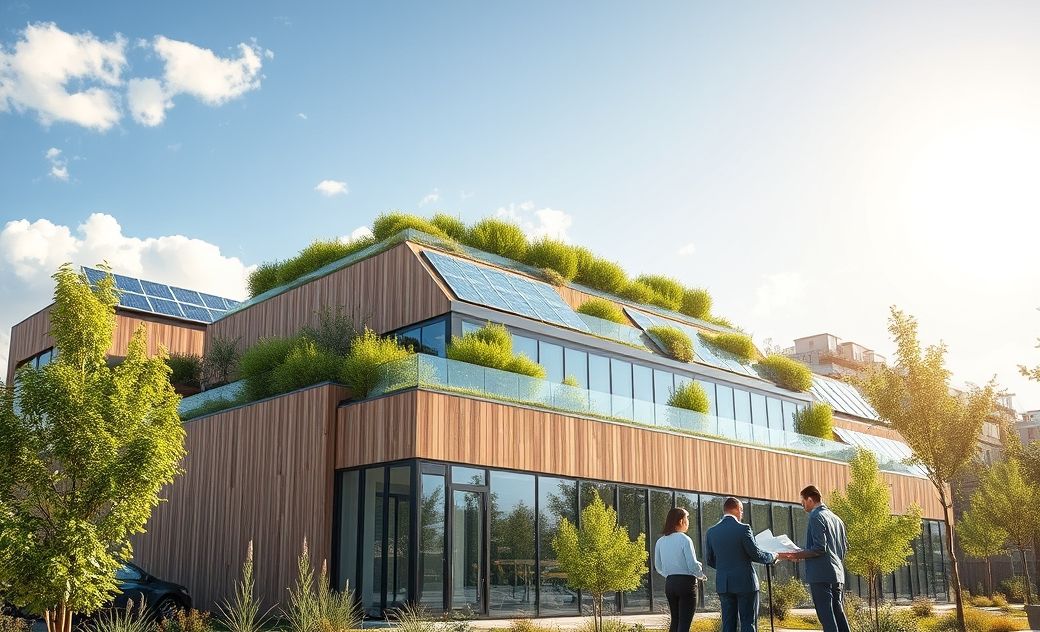
In recent years, the concept of green building has gained significant traction in the real estate industry. As environmental awareness grows among developers and investors, more sustainable approaches are being integrated into the construction and operation of buildings. This shift not only contributes to environmental conservation but also offers economic advantages, creating a win-win situation for all stakeholders. In this article, we will explore some of the most innovative green building practices currently transforming the real estate landscape.
The Rise of Green Building Certifications
Green building certifications play a crucial role in validating the sustainability efforts of construction projects. Certifications such as Leadership in Energy and Environmental Design (LEED) and the WELL Building Standard provide benchmarks for environmentally responsible building practices. Achieving these certifications can significantly enhance a property’s marketability, indicating a commitment to energy efficiency and occupant well-being.
LEED Certification
LEED certification is one of the most widely recognized sustainability certifications globally. It evaluates factors such as water efficiency, energy optimization, and indoor environmental quality. Many developers strive for a high LEED rating to gain an edge in attracting eco-conscious clients and tenants.
WELL Building Standard
The WELL Building Standard focuses on the health and wellness of building occupants. This certification considers air and water quality, access to natural light, and ergonomic design. Buildings that meet WELL criteria can offer a more appealing and healthy environment for occupants, thus enhancing their commercial desirability.
Innovative Building Materials
Advancements in sustainable building materials are transforming the real estate sector. These materials reduce resource consumption, enhance energy efficiency, and often contribute to the overall aesthetic appeal of developments.
Recycled and Renewable Materials
Recycling and the use of renewable materials have become integral to green building practices. Materials like reclaimed wood, recycled steel, and bamboo offer eco-friendly alternatives to traditional construction materials. These not only reduce the carbon footprint of a building project but also often provide unique design elements.
Smart Glass Technology
Smart glass technology is another innovation changing the face of sustainable architecture. This type of glass can adjust its light transmission properties based on the external weather conditions, improving energy efficiency by reducing the need for artificial lighting and air conditioning.
Energy Efficiency and Renewable Energy Integration
To minimize energy consumption, green buildings incorporate a range of innovative technologies and designs that enhance energy efficiency.
Solar Panels and Photovoltaics
One of the most popular green building strategies is the integration of solar panels and photovoltaic systems. By harnessing the power of the sun, buildings can significantly reduce their reliance on non-renewable energy sources, leading to both cost savings and reduced environmental impact.
Geothermal Heating and Cooling
Geothermal systems utilize the earth’s stable underground temperature to regulate building temperature. This method of heating and cooling is not only energy efficient but also has a much lower environmental impact than conventional HVAC systems.
The Role of Smart Technologies
Incorporating smart technologies into green buildings can optimize resource use and enhance the overall building performance.
Smart Building Management Systems
These systems use sensors and data analytics to optimize the operation of building systems, such as lighting, heating, cooling, and security. This results in reduced energy consumption and improved efficiency.
Internet of Things (IoT) Devices
IoT devices can significantly contribute to building sustainability. For example, smart thermostats and automated lighting systems adjust based on occupancy, saving energy and reducing costs.
The real estate industry is increasingly embracing green building innovations as a response to environmental concerns and market demand for sustainable practices. By adopting certifications, pioneering materials, energy efficiency strategies, and implementing smart technologies, the industry can significantly contribute to a more sustainable future. These innovations not only benefit the environment but also offer economic advantages and enhance the livability of spaces, setting the stage for a more sustainable real estate market.
