
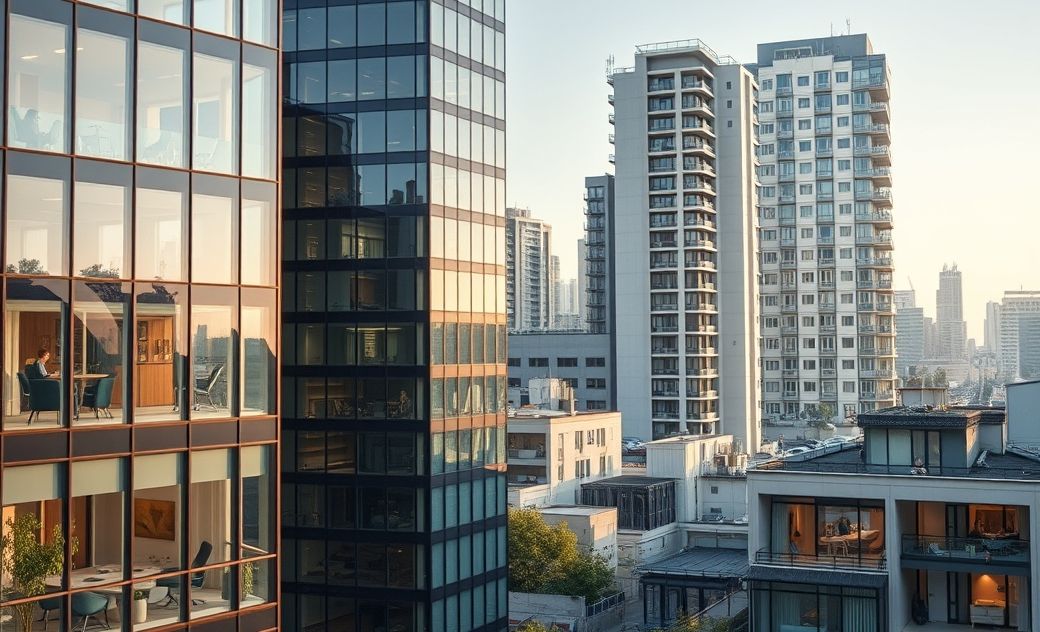
The recent shift toward remote work has brought significant changes to many aspects of our lives, most notably the real estate market, particularly in urban areas. As remote work becomes more prevalent, it’s worth examining how it affects urban real estate markets and what the future might hold for these areas.
The Shift in Housing Demand
Remote work has dramatically altered housing demand in urban centers. Before the pandemic, many people chose to live close to work to minimize their commute times. However, with flexible work arrangements, many employees are prioritizing more spacious living conditions over proximity to work.
Migration to Suburbs and Rural Areas
The freedom to work from anywhere has led to a migration trend from crowded urban centers to suburban and even rural areas. People are seeking out larger homes with more amenities such as home offices and greater outdoor space. This shift has caused a demand spike in these regions, affecting real estate prices and contributing to urban depopulation.
Transformation of Urban Housing
In response to changing demands, urban housing markets are also evolving. Developers and real estate agents are focusing on repurposing properties to cater to a new demographic that values flexibility and community amenities over just location. The integration of workspaces into residential areas is becoming increasingly common, with co-working spaces being a desirable feature in new urban developments.
Impact on Commercial Real Estate
The influence of remote work extends beyond residential real estate to commercial spaces that once thrived on bustling urban activity. As businesses adapt to remote work policies, the demand for traditional office spaces in cities has been challenged.
Decline in Office Space Demand
Many companies have adopted hybrid or fully remote work models, leading to decreased demand for large office spaces. This has resulted in higher vacancy rates and lower rental incomes for commercial real estate in city centers. Landlords are now forced to reconsider the use of their properties, prompting conversions into mixed-use spaces that include residential units or creative office solutions.
Emergence of Flexible Working Spaces
As companies downscale their office footprints, there’s a growing interest in flexible working environments. Co-working spaces and shared offices are gaining popularity, providing dynamic workplace solutions for businesses and individuals who seek occasional face-to-face interactions without the commitment of a traditional lease.
Long-Term Effects on Urban Real Estate
The long-term effects of remote work on urban real estate are still unfolding, but some trends are becoming evident. Cities may see a shift in how they develop land and infrastructure, prioritizing environments that better accommodate lifestyles driven by remote work.
Urban Redesign and Innovation
Cities might lean towards redesigning areas to be more sustainable and livable, with increased green spaces and compact housing options that offer multi-functional uses. This transformation will likely require innovative urban planning and investment in digital infrastructure to support a more decentralized workforce.
Varying Recovery Rates
Recovery rates in urban real estate will likely vary depending on several factors such as local economic conditions, government policies, and the adaptability of the real estate sector to these new trends. Wealthier or well-located cities may recover quicker, whereas others may need to adjust more drastically to regain their attractiveness.
In conclusion, the impact of remote work on urban real estate is multifaceted, affecting housing demand, commercial spaces, and the overall design of cities. As this trend continues to evolve, stakeholders must adapt to changing preferences and work toward creating urban environments that align with the needs of a modern workforce.
