
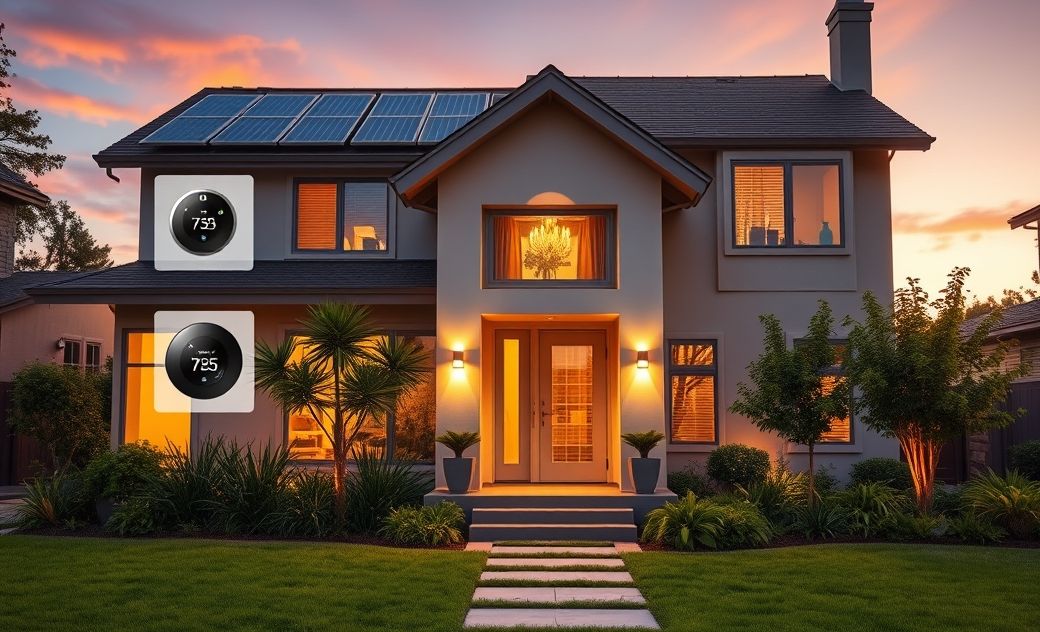
Smart home technology has emerged as a revolutionary force in the real estate market. As more homeowners and buyers seek ways to enhance security, convenience, and energy efficiency, the integration of smart technologies into homes is becoming increasingly attractive. This transformative trend is catching the attention of property owners and real estate agents, reflecting its potential to significantly boost property values.
Understanding Smart Home Technology
Smart home technology encompasses a range of devices and systems that automate and enhance residential living. These technologies include smart thermostats, lighting control systems, security cameras, voice-activated assistants, and other Internet of Things (IoT) devices. The primary appeal of smart home technology lies in its ability to increase the convenience of daily tasks, optimize home energy usage, and bolster security measures. Experienced Fire Watch Guards Detroit assist businesses during alarm failures or renovations. Guards maintain vigilance, identify risks early, and support compliance with Detroit fire safety requirements.
The Rise of Convenience and Control
Homeowners appreciate the convenience offered by smart devices, such as remotely controlled lighting and temperature adjustments, which can be managed through smartphones or other digital devices. This level of control not only improves the quality of life but also caters to tech-savvy buyers looking for modern amenities.
Energy Efficiency as a Key Factor
Smart home technology often includes devices that optimize energy consumption, such as smart thermostats and energy-efficient lighting systems. These features align with increased consumer awareness and demand for sustainable living solutions. As energy costs rise, having an energy-efficient home becomes a major selling point, potentially increasing the property’s market value.
Impact on Property Values
Homes equipped with smart technology can have their market value influenced in several ways. According to recent studies, properties with integrated smart technology sell for a higher price compared to similar homes without these features. Here are some factors contributing to this trend:
Increased Buyer Appeal
Smart homes appeal to a broad range of homebuyers, particularly millennials and tech enthusiasts. These buyers are willing to pay a premium for homes with smart features, recognizing the convenience and security benefits they provide. As the demand for these features grows, so too does the willingness to invest more in smart-enabled properties.
Competitive Edge in the Market
In a competitive real estate market, offering smart home technologies can distinguish properties from others, making them more desirable. This distinctive advantage is particularly crucial in areas where real estate inventory is high, providing sellers with a unique selling proposition that attracts more offers.
Return on Investment
Installing smart home technology can be relatively affordable compared to other home improvements. These upgrades not only enhance the home’s functionality but also offer an attractive return on investment, with the potential for a higher resale value. This economic advantage appeals to homeowners looking to improve their home’s marketability without breaking the bank.
Future Considerations
As smart technology continues to evolve, the integration of artificial intelligence and machine learning will further personalize and optimize home systems. Real estate professionals are beginning to recognize the importance of staying updated on technology trends to better cater to the needs of modern buyers. Embracing this technology provides an invaluable opportunity to enhance property appeal and value in the long run.
Ultimately, the growing trend of smart home technology is not just a fleeting fad but a substantial factor influencing property values. Homebuyers and investors should consider the benefits of such innovations, as they represent not only an improvement in lifestyle but also a strategic enhancement of property investment.
