
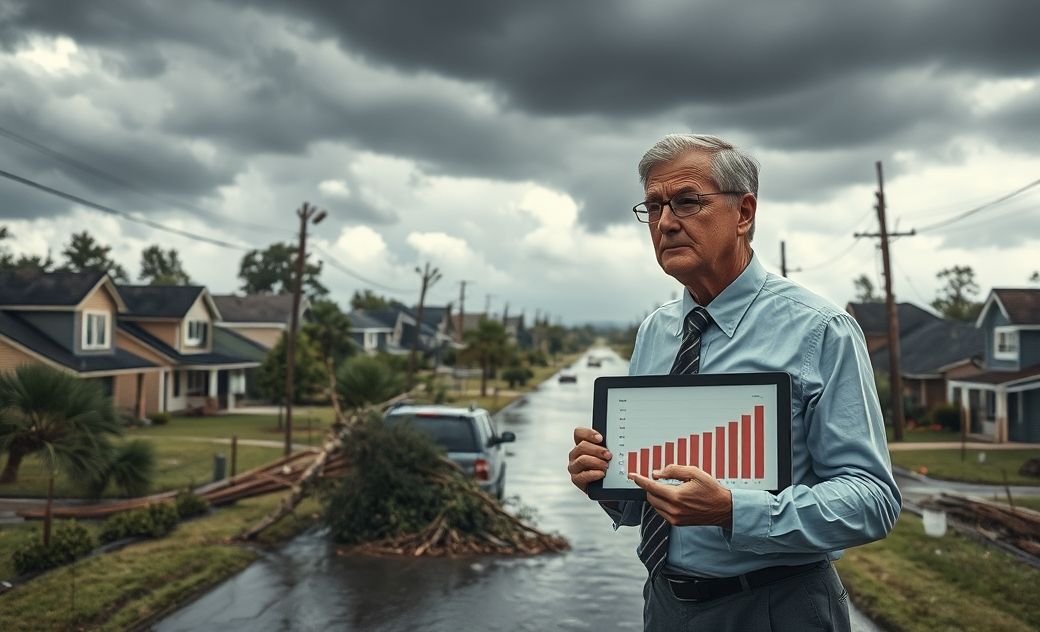
The impacts of climate change are being felt across all sectors of the global economy, and the insurance industry is no exception. As extreme weather events become more frequent and severe, insurers are facing unprecedented challenges and opportunities in adapting to the evolving environmental landscape.
Increased Risk of Natural Disasters
Climate change is contributing to an uptick in the frequency and intensity of natural disasters, such as hurricanes, wildfires, and floods. This poses a significant challenge to insurers as these events lead to a rise in claims, often exceeding historical averages.
Hurricanes and Tropical Storms
The warmer ocean temperatures that accompany climate change are fueling stronger hurricanes and tropical storms. Insurers must adjust their risk models to account for these increased threats, resulting in higher premiums for customers in vulnerable regions.
Wildfires
Rising temperatures and prolonged dry spells have led to more frequent and severe wildfires, particularly in areas like California and Australia. This not only drives up claims for property damage but also requires insurers to invest in advanced risk assessment tools to better predict and manage such events.
Challenges in Risk Assessment
Traditional risk models in the insurance industry are being put to the test as climate patterns shift and new risk factors emerge. Insurers must innovate to stay ahead of climate-related risks.
Data-Driven Solutions
The availability of big data and sophisticated analytical tools allows insurers to refine their risk models. By integrating climate data with historical loss information, insurers can predict potential losses more accurately and adjust their coverage strategies accordingly.
Collaboration with Climate Scientists
Insurers are increasingly collaborating with climate scientists to stay informed about the latest climate research and developments. This interdisciplinary approach helps insurers design better products and services tailored to mitigating climate risks.
Opportunities in Weather-Resilient Insurance Products
While climate change presents significant challenges, it also opens doors for innovation in the insurance sector. There is a growing demand for insurance products that offer protection against climate-induced risks.
Parametric Insurance
Parametric insurance products, which pay out based on predefined triggers such as weather indices or disaster magnitude, are gaining popularity. These products provide quick financial relief to policyholders in the wake of adverse events, enhancing their appeal in a climate-affected world.
Incentivizing Sustainability
Insurers are also developing products that reward policyholders for adopting sustainable practices. Discounts for energy-efficient homes or facilities that use renewable energy sources encourage more environmentally friendly behaviors, reducing overall risk.
Regulatory Changes and Compliance
As governments worldwide recognize the threat of climate change, new regulations are being introduced to mandate the disclosure of climate-related risks and their impacts on financial systems.
Reporting Requirements
Insurers are now required to report on their exposure to climate risks and the measures they are taking to mitigate such risks. This increases transparency and accountability, ensuring that stakeholders are informed about how climate change is impacting the insurance industry.
Alignment with Global Initiatives
The insurance industry is aligning itself with global initiatives like the Task Force on Climate-related Financial Disclosures (TCFD) to enhance the resilience of their operations and contribute to broader efforts to combat climate change.
In conclusion, the insurance industry is at a pivotal moment as it navigates the complexities of a changing climate. By leveraging innovative technologies, collaborating with experts, and aligning with regulatory frameworks, insurers can not only safeguard their interests but also play a crucial role in driving adaptive and sustainable practices across their clientele.
