
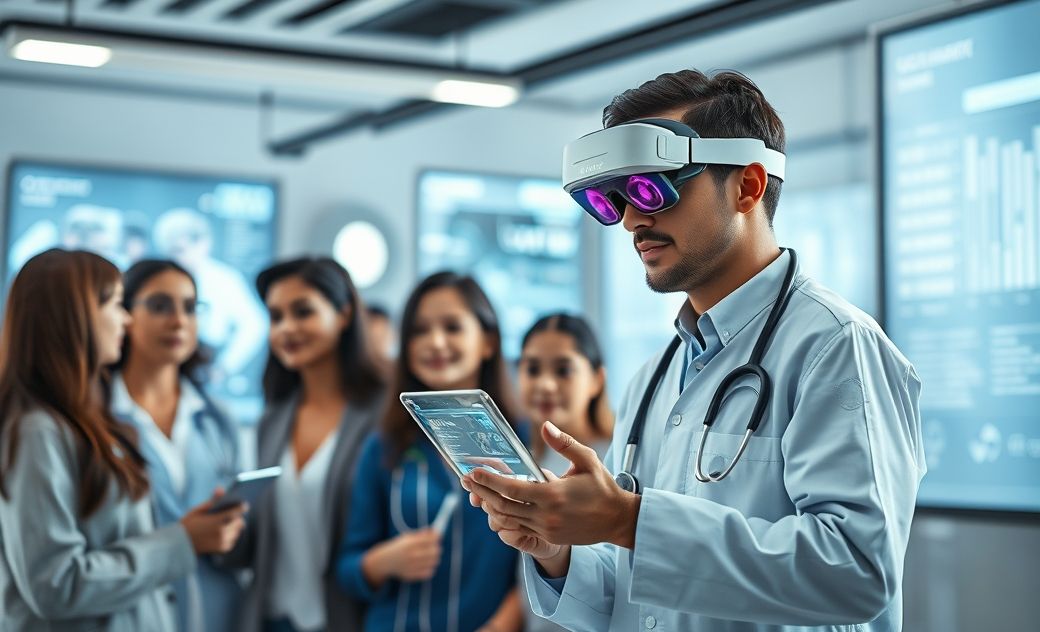
The insurance industry, particularly health insurance, is undergoing a revolution fueled by digital innovations. As technology continues to advance at an unprecedented pace, health coverage is evolving to meet the demands of a more tech-savvy consumer base. This transformation is reshaping how insurance providers operate and how policyholders manage their health coverage, leading to a more efficient and user-friendly experience.
The Rise of Telemedicine
One of the most significant innovations in health insurance is telemedicine, which has become more prevalent due to increased accessibility and consumer demand. Telemedicine allows patients to consult healthcare providers remotely, eliminating the need for physical visits. This digital revolution in healthcare not only provides convenience but also lowers the cost of care, making it a key component of modern health insurance plans.
Convenience and Accessibility
Telemedicine offers the convenience of accessing medical advice anytime, anywhere. This is particularly beneficial for individuals living in remote areas or those with mobility issues. Insurers are increasingly incorporating telemedicine services into their coverage plans, improving accessibility to healthcare providers.
Cost-Effective Solutions
By reducing the necessity for in-person doctor visits, telemedicine helps cut down on healthcare costs. Insurers benefit by reducing claim payouts on costly emergency room visits and hospital stays, optimizing their pricing structure, and offering more competitive premiums to policyholders.
Wearable Health Technology
Wearable devices, such as fitness trackers and smartwatches, have gained traction in recent years. These gadgets offer a range of health-related functionalities and provide data that can be integrated into insurance plans. Health insurers are now leveraging wearable technology to encourage healthier lifestyle choices among their customers.
Incentivizing Healthy Behavior
Insurers are offering incentives for policyholders who use wearables to track physical activity, sleep patterns, and other health metrics. These incentives may include discounts on premiums or additional wellness benefits, rewarding individuals for maintaining a healthy lifestyle.
Data Utilization for Personalized Plans
Wearable technology provides real-time health data, which insurers can use to tailor personalized health plans. This data-driven approach allows insurers to better assess risk and offer more customized plans, enhancing both customer satisfaction and the accuracy of coverage options.
Artificial Intelligence and Machine Learning
Artificial Intelligence (AI) and machine learning are transforming the landscape of health insurance by optimizing administrative processes and enhancing customer service. These technologies enable insurers to deliver more precise risk assessments, streamline claims processing, and provide more personalized customer interactions.
Automating Administrative Tasks
AI solutions can automate repetitive tasks such as claims processing, policy renewals, and customer queries. This automation not only reduces operational costs but also improves efficiency, allowing human staff to focus on more complex tasks and improve overall service quality.
Enhanced Customer Interactions
Machine learning algorithms help insurers analyze customer data and predict their needs more accurately. By understanding customer preferences, insurers can offer tailored products and better service recommendations, increasing customer loyalty and satisfaction.
The Role of Blockchain in Health Insurance
Blockchain technology offers robust solutions for enhancing security, transparency, and efficiency in health insurance. By providing a decentralized and immutable ledger, blockchain addresses several challenges faced by the industry.
Enhancing Security and Privacy
Blockchain improves data security and privacy, ensuring that personal and medical information remains protected against unauthorized access. This reduces the risk of data breaches, a significant concern within the healthcare sector.
Streamlining Claim Processes
The transparency of blockchain reduces paperwork and speeds up the claims process. Smart contracts can automatically verify coverage and conditions, leading to faster and more accurate claim settlements.
In conclusion, the digital age is steering a profound transformation in health coverage. Innovations such as telemedicine, wearables, AI, and blockchain are shaping the future of health insurance, offering more convenience, personalization, and security for policyholders. As these technologies evolve, the possibilities for enhancing health coverage continue to expand, promising a new era of insurance that is more responsive to the needs and lifestyles of today’s consumers.
