
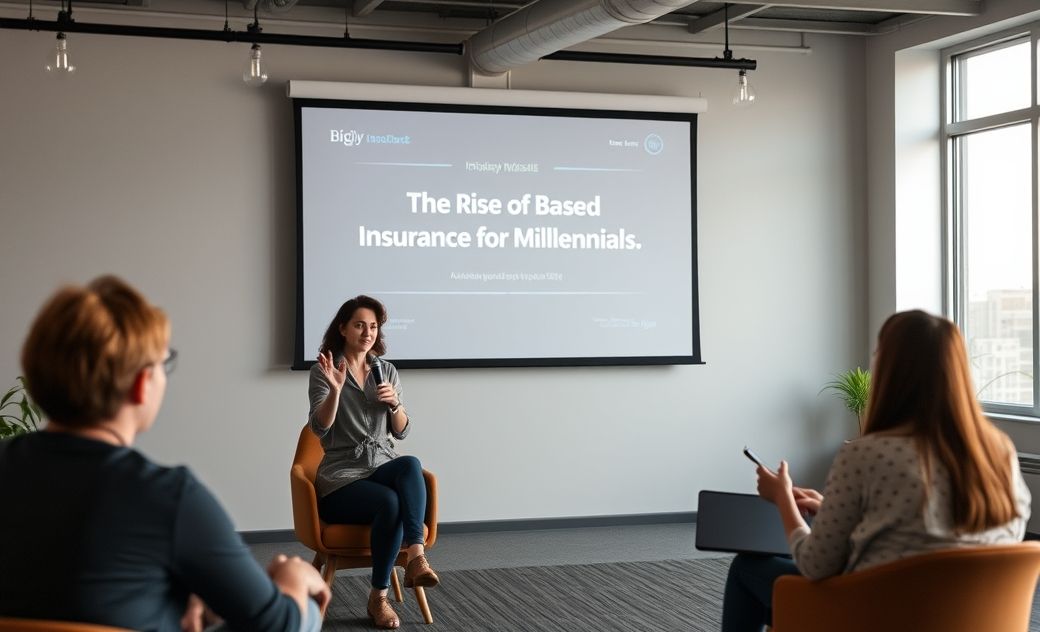
In recent years, the insurance industry has witnessed a significant transformation with the advent of usage-based insurance (UBI). This innovative approach to insurance has gained traction particularly among millennials, who are generally more receptive to digital solutions and personalized services. As traditional insurance models evolve, it’s important to understand how UBI works, its benefits, and why it resonates so well with the millennial demographic.
Understanding Usage-Based Insurance
Usage-based insurance, also known as pay-as-you-drive (PAYD) or pay-how-you-drive (PHYD), is a type of auto insurance that calculates premiums based on individual driving habits. Unlike conventional insurance, where rates are determined by statistical averages and generalized demographics, UBI takes into account personal driving behaviors and usage patterns.
How It Works
To engage in a UBI program, drivers typically install a telematics device in their vehicles or use a smartphone app that monitors driving performance. These technologies track metrics such as distance traveled, speed, braking patterns, and the time of day the vehicle is used. The data collected helps insurers accurately assess risk and customize premiums based on the actual driving behavior of the policyholder.
The Appeal to Millennials
Millennials, who are known for their tech-savvy nature and preference for personalized services, have become prominent adopters of usage-based insurance. Several factors contribute to the growing popularity of UBI among this demographic.
Cost Savings
One of the primary advantages of UBI is the potential for cost savings. Millennials, who often experience higher insurance premiums due to age-related factors, can benefit from reduced rates if they demonstrate safe driving habits. With UBI, premiums are tailored to individual performance, allowing for more affordable pricing options compared to traditional models.
Technology Integration
UBI is seamlessly integrated with digital platforms, a feature that aligns perfectly with millennials’ expectations of convenience and immediacy. The use of mobile apps and online dashboards enables policyholders to monitor their driving patterns in real time, access personalized tips for improvement, and receive instant feedback. This level of engagement and transparency is highly valued by a generation accustomed to instant gratification and control over their services.
Environmental Awareness
Millennials are known for their heightened sense of environmental responsibility. UBI encourages responsible driving by rewarding lower mileage and eco-friendly practices. By minimizing unnecessary car usage and optimizing driving routes, individuals can lower their carbon footprint, aligning with the environmental values many millennials hold dear.
Challenges and Future Prospects
Despite its advantages, usage-based insurance is not without challenges. Privacy concerns are a significant consideration, as the collection and storage of personal driving data can be perceived as intrusive. Insurers must ensure data security and transparent usage policies to gain trust among consumers.
As technology continues to advance, the future prospects for UBI are promising. Artificial intelligence and machine learning are set to enhance data accuracy and predictive capabilities, making UBI even more personalized and effective. Additionally, as autonomous vehicles become more prevalent, usage-based insurance may evolve further, offering unique coverage models tailored to these self-driving technologies.
Conclusion
Usage-based insurance represents a paradigm shift in the auto insurance industry, particularly appealing to millennials who seek affordability, transparency, and a bespoke experience. Though there are challenges to address, the trend towards digital solutions and personalized service platforms paves the way for broader acceptance of UBI. As the market evolves, usage-based insurance is likely to play a pivotal role in shaping the future of insurance, providing a valuable alternative to traditional models.
