
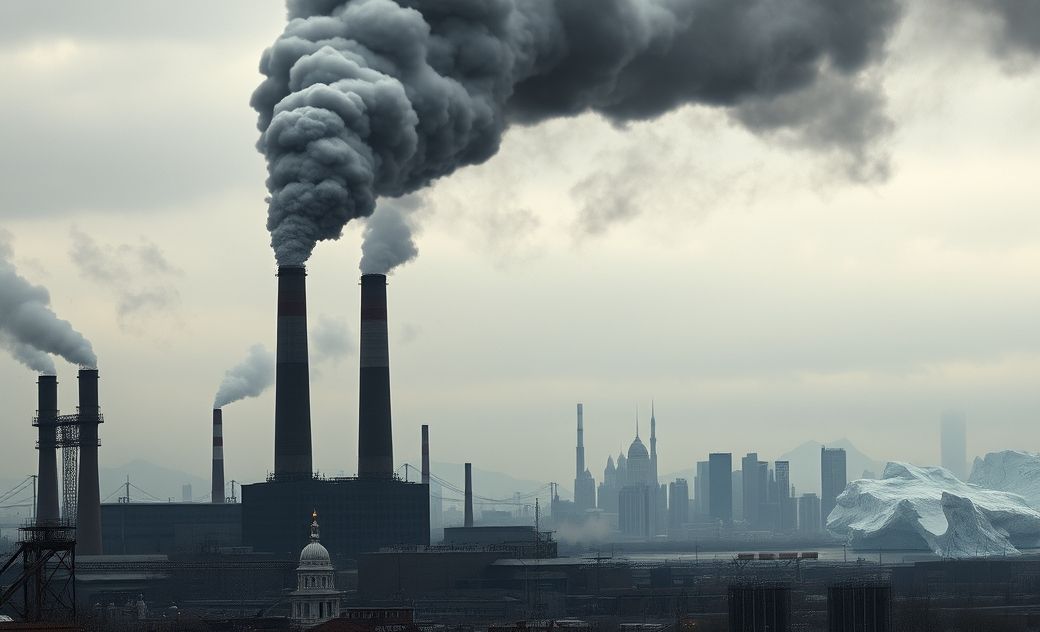
The legacy of the Industrial Revolution, a pivotal era marked by significant technological advancements, continues to shape the world today. However, as progress surged forward, so did an increase in environmental challenges. Understanding the impact of the Industrial Revolution on today’s climate change involves examining the transformation of industries, energy consumption, and the long-term environmental consequences.
Industrial Advancements and Increased Emissions
The Industrial Revolution, beginning in the late 18th century, revolutionized manufacturing processes. The transition from hand production to machines dramatically increased productivity. However, this progress came at a cost. The extensive use of coal and other fossil fuels to power machinery led to a significant increase in greenhouse gas emissions.
Transformation of Energy Use
Prior to the Industrial Revolution, energy production was largely renewable, relying on wind, water, and biomass. With the development of steam engines, the reliance on coal increased substantially. This shift is considered one of the primary starting points for habitual fossil fuel dependence, which exponentially increased CO2 levels in the atmosphere.
Urbanization and Its Environmental Footprint
As factories sprang up, so did cities, leading to urbanization. This shift required extensive resource consumption, contributing to deforestation and increased industrial waste. The sprawling urban environments also demanded more resources for infrastructure, further accelerating the carbon footprint.
Long-term Environmental Consequences
The widespread industrialization introduced lasting changes to the global environment. The Industrial Revolution set a precedent for today’s industrial practices, which continue to exacerbate environmental problems.
Continued Fossil Fuel Dependence
Despite current efforts to transition to renewable energy, the legacy of fossil fuel reliance persists. Modern transportation, electricity generation, and industrial manufacturing still depend heavily on hydrocarbons, a practice with its roots firmly in the Industrial Revolution.
Deforestation and Loss of Biodiversity
The increase in agricultural and industrial activities led to significant deforestation, impacting biodiversity. Clearing vast tracts of forests for agriculture and urban development not only contributes to carbon emissions but also results in habitat loss and species extinction, trends that began during the Industrial era and continue today.
Mitigating Industrial Impacts on Climate Change
Recognizing the historical context of the Industrial Revolution’s environmental impact is crucial for developing strategies to mitigate climate change.
Advancements in Clean Technologies
Today, there is a strong push for cleaner technologies as a response to the environmental challenges initiated during the Industrial Revolution. Innovations in solar, wind, and hydroelectric power are crucial steps towards reducing dependence on fossil fuels and decreasing greenhouse gas emissions.
Policies and Sustainable Development
Governments and international organizations are increasingly adopting policies aimed at reducing carbon footprints. The Paris Agreement and other initiatives represent global commitments to reversing damage by transitioning towards sustainable industry practices, a necessary pivot from historical trends.
The Industrial Revolution was undoubtedly a catalyst for modern development, setting a foundation for technological progress and economic growth. However, understanding its role in today’s climate change highlights the importance of mindful growth practices. As history illustrates, the path to industrial prosperity must consider environmental sustainability to ensure a balanced and thriving planet for future generations.
